
For many patients, this is the question that almost stopped them from going.
Not the surgery itself. The after. The thought of landing back home — a long flight away from the team that operated on them — with a wound that looks slightly wrong and a GP who's never heard of the hospital.
It's a fair concern. Here's what actually happens, and what should happen.
The Honest Starting Point
Follow-up care after medical tourism is not as seamless as care at a hospital ten minutes from your house. Anyone who tells you otherwise isn't being straight with you.
What it can be — when properly coordinated — is genuinely enough. The distance is real. With the right planning, it's manageable.
The difference between patients who feel abandoned after they fly home and patients who feel supported comes down to one thing: whether follow-up was planned before they left India, not after.
What Follow-Up Care Should Include
Remote consultations with your surgeon
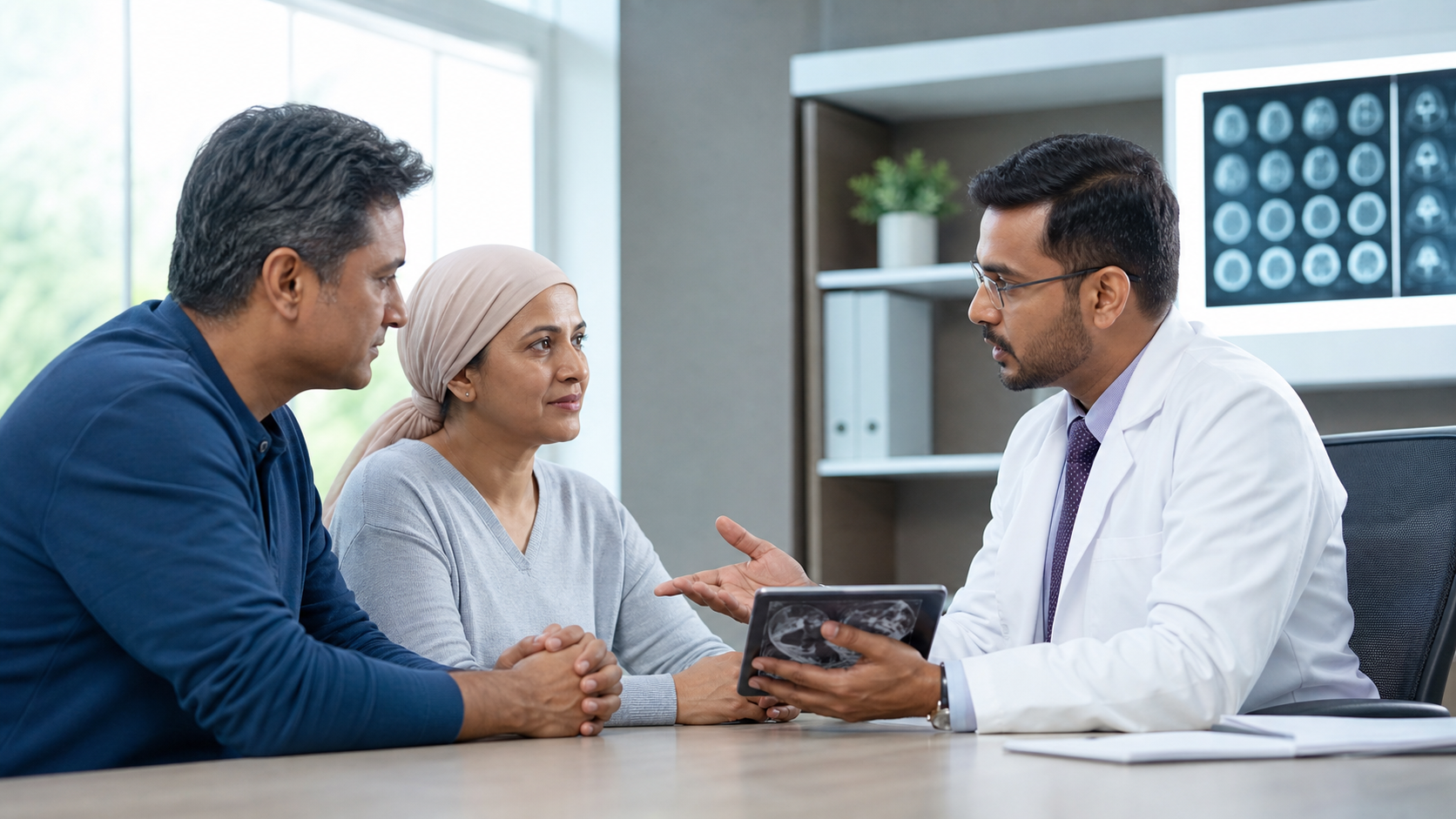
Video calls with your Indian specialist at key milestones — typically 2 weeks, 6 weeks, and 3 months post-surgery. Your surgeon reviews your progress, adjusts guidance, and answers questions based on what they see and hear.
This isn't a compromise. A video consultation with the doctor who actually operated on you is often more clinically useful than an in-person visit with a GP who wasn't involved in your care.
Medical records your home doctor can use
Discharge summary, operative report, pathology results, imaging, medication protocol — formatted and transferable, not a photo of handwritten notes sent on WhatsApp.
Sano Healthcare and Tourism prepares this package before you leave India, so your GP receives what they need to continue your care — not a document they have to decipher.
Wound and recovery monitoring
The weeks after you return home are when most minor complications surface. A wound that's slow to heal. Swelling that isn't reducing. Pain that's shifted.
Some of this can be assessed through photographs sent to your Indian care team. Some of it needs to be seen locally. Good follow-up coordination tells you which is which — so you're not diagnosing yourself on Google at midnight.
Medicine coordination
Some recovery protocols include medications that are expensive, unavailable, or require a new local prescription to obtain at home. Sano's international medicine courier service ships prescribed medications directly to your address when local sourcing isn't practical — particularly useful for oncology patients whose ongoing drug protocol may be significantly cheaper to continue sourcing from India.
Liaison between your Indian doctor and your GP
Documents travel. Context sometimes doesn't. When the handover is complex, Sano's team facilitates direct communication between your Indian specialist and your home doctor — so nothing is lost in translation, literally or clinically.
The Handover Gap — The Most Common Problem Nobody Warns You About
The most frequent complaint patients have after returning home isn't a clinical complication. It's this:
They land. Their Indian care episode quietly closes. Their GP opens a new file on them with no context about what was done — which surgeon, which technique, which implant, what complications were anticipated, what the recovery plan looks like.
The GP hasn't seen the tumour board notes. They don't know the implant model. They're reading a discharge summary written in a format unfamiliar to doctors trained elsewhere.
This gap is why some patients feel adrift after medical tourism — not because their surgery was poor, but because the transition between two care systems wasn't managed.
The solution isn't to avoid India. It's to use a facilitator who treats the handover as part of the service. Sano's post-treatment coordination starts before you leave — records are organised, consultations are scheduled, and your home doctor is briefed before your flight, not after.
Five Questions to Ask Any Facilitator Before You Travel
Who is my point of contact after I return home?
Should be a named person or team, not "our international patient department." Vague answers predict poor follow-up.
How do I reach my surgeon remotely?
Ask about the platform, the response time, and whether there's a fee per consultation.
How will my records be sent to my home doctor?
Format matters. A structured PDF discharge package is useful. An unformatted scan of handwritten notes is not.
What happens if I develop a complication after I land?
A clear, specific answer — who to call, how they'll assess whether it needs remote guidance or local emergency care — is what good looks like.
Can you courier medications if I can't source them locally?
Not every patient needs this. But knowing it exists before you need it is better than discovering it doesn't.
Frequently Asked Questions
Can my Indian surgeon actually consult with me after I return home?
Yes. Video consultations across time zones are standard at accredited international patient centres. Sano schedules these as part of your post-treatment plan.
What if my GP disagrees with the Indian specialist's recommendations?
It happens occasionally — particularly around medication or rehabilitation protocols. Sano can facilitate direct correspondence between both physicians. With shared records, most disagreements are resolved through clinical discussion.
Will my home country's health system accept Indian hospital records?
Yes. Discharge summaries and operative reports from NABH and JCI-accredited hospitals are recognised internationally. Some insurance reimbursement claims need additional documentation — Sano can help compile this.
How long does Sano's support continue after I'm home?
Sano doesn't close your case at the airport. For major procedures, active coordination continues through the first 3–6 months of recovery.
What Changes When This Is Done Right
You land home. Your GP already has your records. Your first remote consultation with your surgeon is booked. Your medications are on their way if you needed them sourced from India. You know exactly who to call if something doesn't look right.
That's not a perfect version of healthcare. It's just a well-coordinated one — and for most patients, the difference between those two things is preparation, not distance.
Start your case review with Sano →
WhatsApp: +91 85300 54299 — 24/7, in your language.
How long does recovery take after surgery in India? → | View treatments →
Sano Healthcare and Tourism coordinates post-treatment follow-up as standard — remote consultations, medical record handover, medicine delivery, and GP liaison. Care doesn't stop at the airport. About Sano →