Language is one of the quieter anxieties in medical tourism — rarely the headline concern, but always there underneath.
The worry isn't about menus or directions. It's about informed consent. Medication instructions. A nurse explaining what a drip is for at 2am. A doctor describing what they found during surgery. These are moments where miscommunication isn't inconvenient — it's dangerous.
Here's what the reality looks like in Indian hospitals, honestly.
English: Better Than Most Patients Expect
India has one of the largest English-speaking populations in the world. English is a co-official government language, the medium of instruction at every medical school, and the working language of clinical documentation across all accredited hospitals.
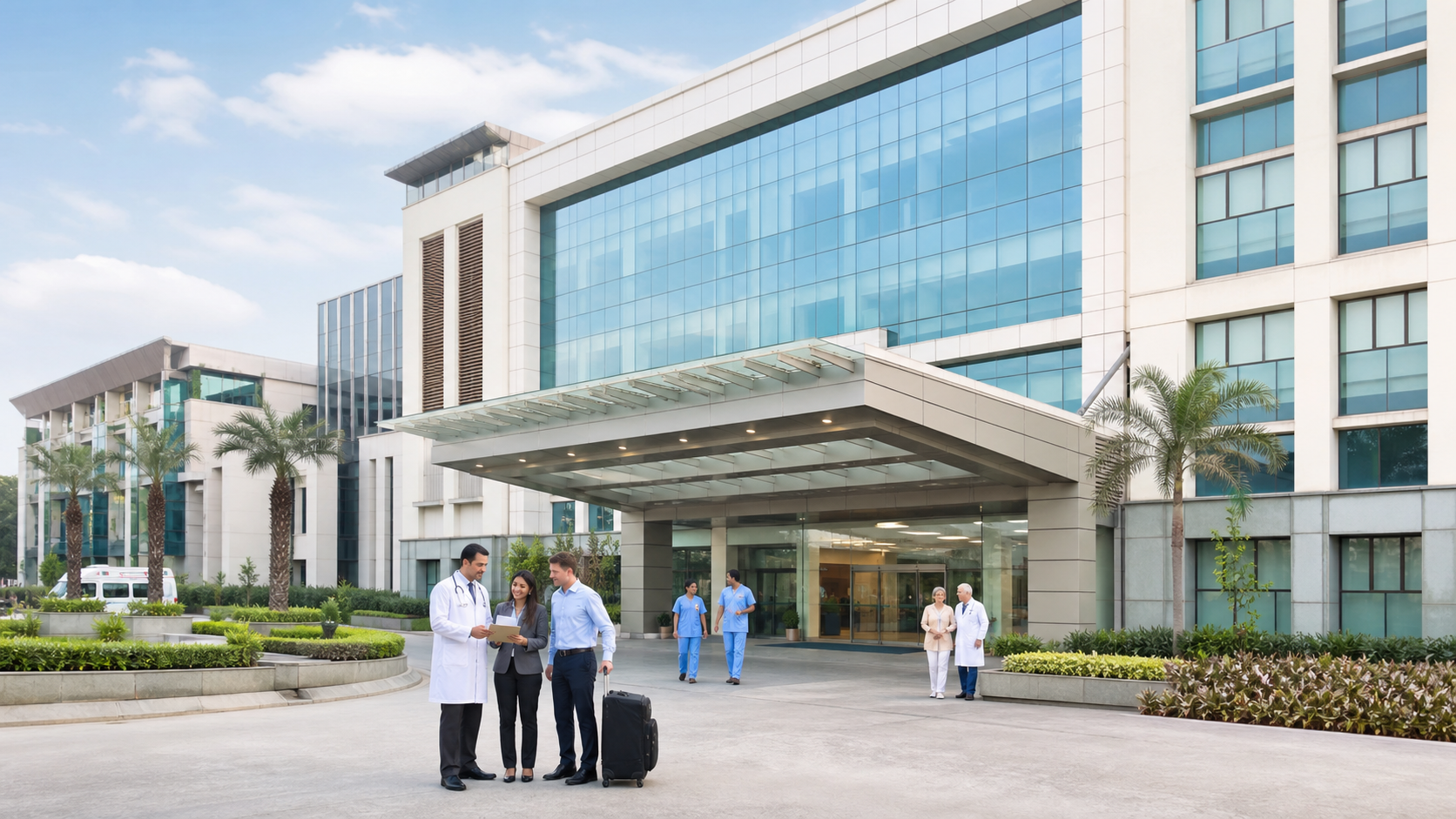
At NABH-accredited hospitals with international patient departments, you can expect:
- Doctors — fluent English, often with postgraduate training conducted entirely in English
- Senior nurses — comfortable clinical communication in English
- International patient coordinators — English as a primary working language
- Medical records, consent forms, discharge summaries — all in English
For patients whose first language is English — from the US, UK, Australia, Nigeria, Kenya, or anywhere else — the clinical experience at an accredited hospital is largely seamless.
Where Gaps Can Appear
English fluency varies by role.
Junior nursing staff and ward attendants may have limited conversational English — enough for routine tasks, not always enough for nuanced questions about how you're feeling or what you need.
Outside the hospital — pharmacists, transport, local shops — English proficiency drops significantly. Normal for any country, but worth knowing if you're managing your own logistics during recovery.
None of this is unique to India. But at home you have a support network around you. In India, that support needs to be built into your travel arrangements from the start.
If English Isn't Your First Language
This is where language becomes a clinical matter, not just a comfort one.
A French-speaking patient from Côte d'Ivoire who doesn't fully understand the anaesthetist's pre-operative questions. An Arabic-speaking patient from Oman who can't read the medication instructions on their discharge prescription. A Portuguese-speaking patient from Brazil who misunderstands their physiotherapy protocol.
These aren't edge cases — they're common situations. And at accredited hospitals, while Arabic and French often have some in-house support given patient volumes from the Middle East and West Africa, coverage beyond these languages varies significantly between facilities.
This is where Sano Healthcare and Tourism fills a gap that most hospitals can't close on their own.
Sano's language support is powered by Ewan Business Solutions — its parent company and a professional language services firm. This isn't a hospital helpdesk with a handful of translators. It's a dedicated multilingual infrastructure covering 120+ languages, with trained interpreters, 24/7 availability, hospital-based support, and cultural sensitivity built into every interaction.
In practice, this means:
- Your first inquiry with Sano can happen in your language — not English
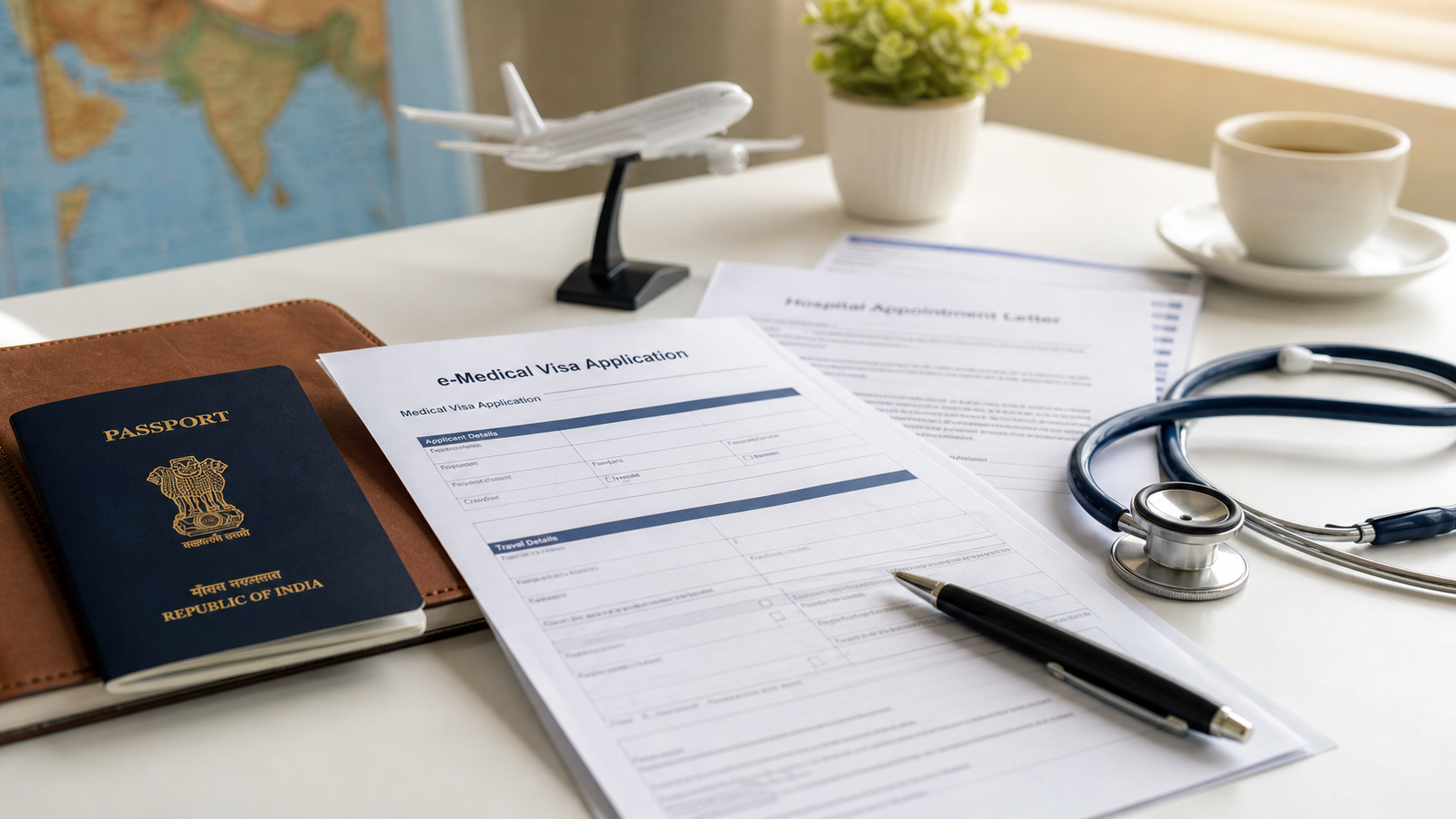
- Pre-treatment coordination — visa documentation, hospital correspondence, cost estimates — is handled in your language
- During your hospital stay, Sano provides interpreter support for consultations, consent conversations, and clinical instructions
- Post-treatment follow-up — remote consultations, discharge guidance, medication instructions — continues in your language after you return home
For Francophone patients specifically, Sano has a French-speaking representative based in France coordinating alongside the French-speaking team in India — so the journey is managed in French from the moment you make contact, not just once you land.
Practical Steps to Protect Yourself
Regardless of language, these habits reduce communication risk:
Write things down in consultations. Don't rely on memory. Bring a notebook, or use your phone. Ask your doctor to write down medication names, doses, and what to watch for.
Ask for written instructions. Medication schedules, wound care, physiotherapy exercises — written, before you leave any appointment.
Repeat back what you've understood. Especially for consent and post-operative instructions. "So what I'm hearing is..." is good clinical communication, not being difficult.
Confirm medication generic names. Brand names vary between countries. Your home pharmacist needs the generic name — confirm it before you leave India.
Have your Sano coordinator present for key conversations. They're a communication bridge, not just a logistics manager — a second set of ears, or an interpreter, at any appointment where you want one.
Frequently Asked Questions
Do Indian doctors speak English?
At accredited hospitals with international patient departments, yes — fluently. Medical education in India is conducted entirely in English, and doctors at these institutions communicate with international patients daily.
What if I don't speak English at all?
Sano's multilingual support — powered by Ewan Business Solutions — covers 120+ languages with trained interpreters available 24/7. Your treatment experience doesn't need to involve English at any stage. Contact Sano in your language →
What languages does Sano specifically support?
120+ languages including French, Arabic, Swahili, Portuguese, Spanish, Bengali, Tagalog, and many more. WhatsApp the team directly to confirm your language — they'll respond immediately.
Will consent forms be in my language?
Hospital consent forms are in English. For patients who don't read English, Sano provides interpretation of all consent documentation before signing — so you understand exactly what you're agreeing to, in your own language.
What if I have a concern in the middle of the night?
Your Sano coordinator's number is with you at all times. Sano's multilingual team is available 24/7 via WhatsApp — so language support doesn't disappear after business hours.
No Conversation Gets Lost
The simplest summary: at NABH-accredited hospitals, English is not a barrier. And for patients whose language isn't English, Sano's Ewan-powered multilingual infrastructure means the entire journey — inquiry, treatment, recovery, follow-up — happens in yours.
Contact Sano in your language →
WhatsApp: +91 85300 54299 — 24/7.
Book a free consultation → | About Sano →
Sano Healthcare and Tourism — powered by Ewan Business Solutions — provides professional multilingual support in 120+ languages with trained interpreters, 24/7 availability, and cultural sensitivity at every stage of your medical journey. Learn more →